
Hero Siege Mercenary - Where to Hire and How They Work
Mercenaries are hired from Gar Nor next to the training dummies. They take their own gear and skill trees, and only one can be active at a time.
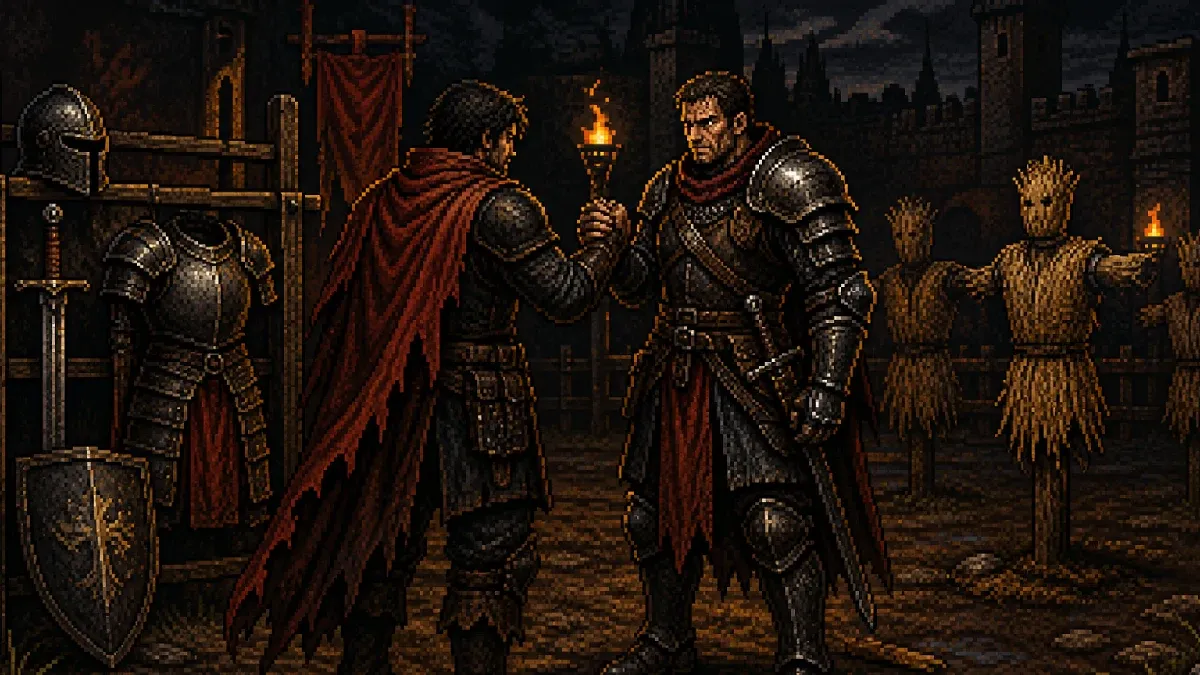
Mercenaries are a second character you gear and spec, not a passive summon. That is the thing most worth knowing: they have their own skill trees, and points spent there work much like your own.
Where do you hire a mercenary?
From Gar Nor, standing next to the training dummies.
How do mercenaries work?
Three rules cover most of it:
- They take gear. Helmets, weapons, armor and shields — the same slots you would expect, so spare drops have a use rather than being vendor fodder.
- They have skill trees. You choose where to invest points, as you do with your own character.
- Only one can be active at a time. You can hire different types, but you are picking one to bring, not building a party.
That last rule is the one that shapes decisions: mercenary choice is a loadout slot, so it should complement what your build lacks rather than duplicate what it already does well.
What can mercenaries actually do?
Their documented abilities split into active and passive effects:
| Type | Effect |
|---|---|
| Active | Charges the closest enemy, stunning and damaging everything around it |
| Passive | Each attack stacks rage; at full stacks, releases an AoE that damages and breaks enemy armor |
| Active | Fires a powerful piercing shot that stuns on impact |
| Active | Launches a barrage of heat-seeking missiles |
| Passive | Each attack stacks; at full stacks, fires a projectile that explodes on collision |
| Active | Drops a large bomb on the nearest enemy, scattering arrows on impact |
The armor break passive is the standout for group value — it changes what your own damage does rather than just adding to it.
Which mercenary should you pick?
Match the gap in your build rather than the biggest number:
- Running a fragile caster? The charge-and-stun active buys you spacing.
- Struggling on single targets? The piercing shot and heat-seeking missiles add damage that does not depend on your positioning.
- Fighting armored enemies? The rage-stacking armor break is the one that multiplies your own output.
A note on the source for this page
The wiki documenting these mercenaries describes three hireable types “as of Season 17”, while every official source says Season 10 is current. That numbering does not match, and the same wiki carries navigation entries for seasons well beyond 10.
The mechanics above — Gar Nor, the gear slots, the skill trees, the one-at-a-time rule — are consistent and specific enough to be useful. Treat the count of mercenary types as unconfirmed.
When gearing a companion, compare the collected weapons, armor, helmets and shields by slot. Your own setup can then be checked against the reviewed build catalog so the mercenary fills a real gap instead of duplicating it.
Next step
Check what your build struggles with before hiring — the armor-break passive is worth more to a physical build than another source of raw damage.
Related Articles
weapons
Hero Siege Armor - Stats, Rarity and Build Uses
Compare collected Hero Siege armor by rarity, level requirement, documented stats and usage across community build snapshots.
weapons
Hero Siege Helmets - Stats, Rarity and Build Uses
Compare collected Hero Siege helmets with their source-documented rarity, requirements, effects and usage across community builds.
weapons
Hero Siege Shields - Stats, Rarity and Build Uses
Compare every collected Hero Siege shield by documented rarity, requirements, effects and appearances in source builds today.
Was this helpful?
Thanks for the feedback!